Hello, World!
Jan 14 & 21
Wednesdays,
7–9 PM EST
Cost includes both sessions and recordings of each (available at the end of the series).
This event has ended. The following dharma talks by Zuisei Goddard explore karma in Buddhism: Karma and Choice and Past Actions, Present Karma. You can also scroll below for a short introduction.
Class Description
Wednesdays, January 14 &21
7 PM–9 PM EST
Teachings on karma (kamma in Pali)—which simply means “action”—form the basis of Buddhist practice. Over two sessions, we’ll explore teachings from the Pāli texts about kamma, placing them in the context of ancient Indian “theories of action,” as well as relating them to our modern lives and our journey toward awakening. These teachings offer clear guidance on wise living, while also displaying remarkable nuance.
This series is open to students with all levels of experience. Each class begins with a period of zazen (silent meditation).
The cost for this dharma study series is offered in tiered pricing. Please offer as much as you’re able when registering, knowing that your generous contribution allows us to make the dharma available to everyone.
Thank you for your practice and support. We look forward to practicing with you.
Please know that your generous dana supports the operations of the Ocean Mind Sangha and makes it possible for us to offer event scholarships for those who need them.
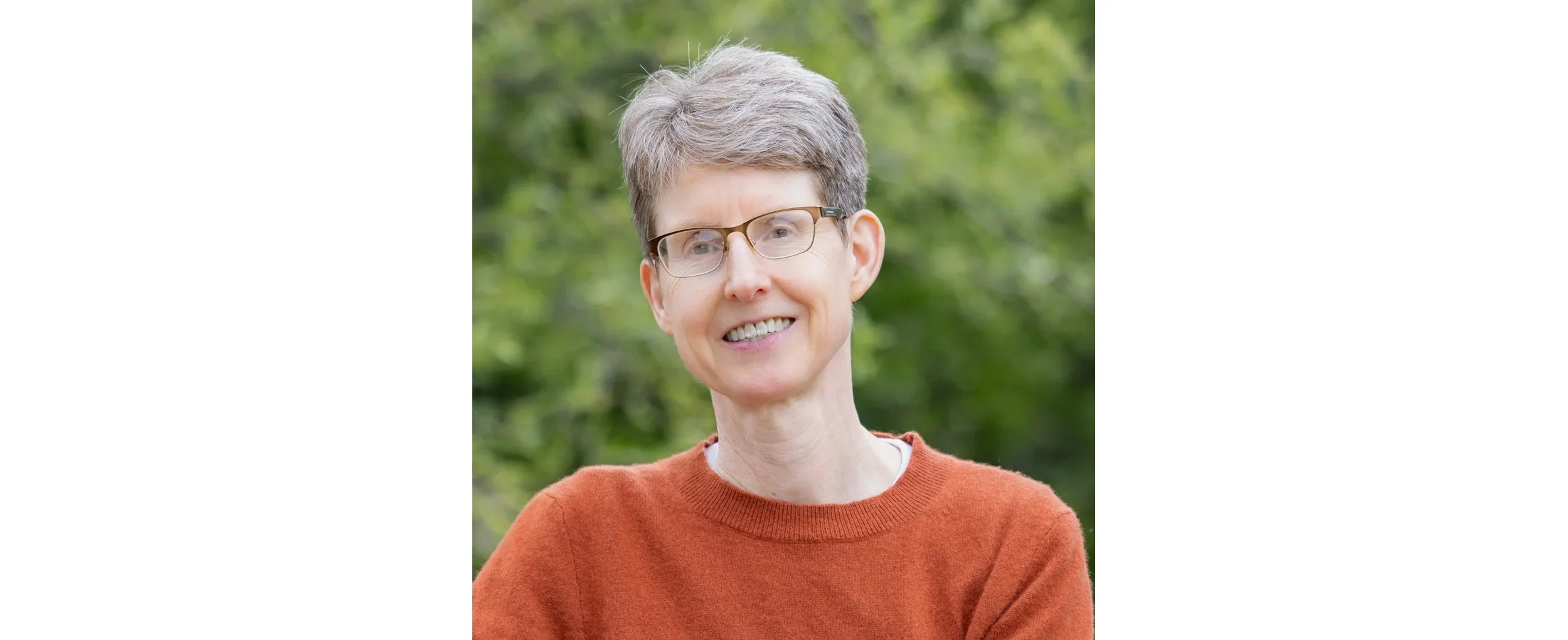
Guest Teacher Kim Allen teaches traditional Dharma for people in today's world. In 2020, Kim took formal commitment through Gil Fronsdal to living as a Lay Contemplative—basing her life on practice, study, and furthering of the Dharma—and was given the Dharma name Sumatimittā (“wise friend” or "friend of the wise"). To learn more about Kim Allen visit www.uncontrived.org.
What is Karma in Buddhism?
The popular definitions of karma vary, from karma as punishment (“He cut me off in traffic and then got a flat tire—karma!”), as destiny (“I guess it’s my karma to be unlucky in love.”), or as a moral scoreboard (“She’s rich because she has good karma”). But the Buddhist definition of karma is more layered and nuanced, and it’s helpful to understand what it’s really referring to.
Kamma (in Pali) means action. Every one of our intentional actions —physical, verbal, and mental—has an effect, and that effect (the fruit of our karma) can “bloom” at any point. Positive karma reinforces itself with every positive action, just as negative karma does with each subsequent negative action.
I guess it’s my karma
As Zen Buddhist teacher Thich Nhat Hanh said, through our practice we should focus on watering the good seeds of our actions and let dry those seeds that will bloom into harmful effects. When we look closely, we see that karma is an intensely complex and infinitely shifting web of cause and effect. That’s why the Buddha himself said that karma is difficult to understand in its entirety. However, a careful study of karma reveals its importance for our practice and life.
To explore the Buddhist teaching of karma, Ocean Mind Sangha has invited Guest Teacher Kim Allen of the Theravada tradition to lead the “Exploration of Karma,” a two-part Buddhist online course. Register here.